Netcare
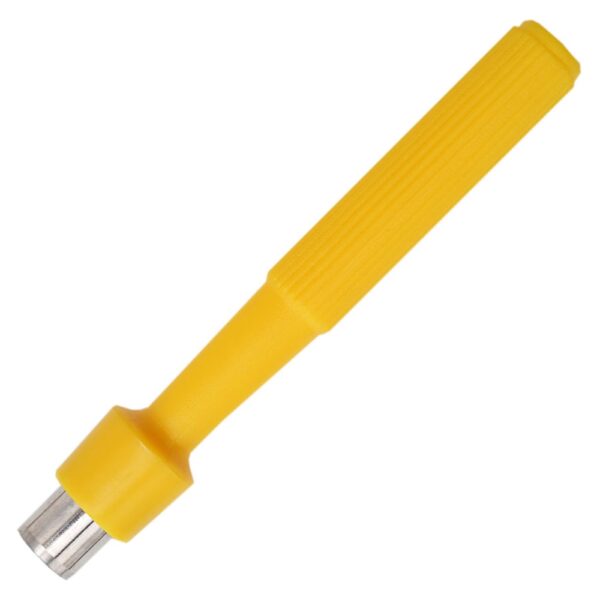
Netcare Disposable Skin Biopsy Punch | Sterile | Sharp and precise | (Pack of 10)
Netcare Disposable Skin Biopsy Punch | Sterile | Sharp and precise | (Pack of 10)
Couldn't load pickup availability
Netcare Disposable Skin Biopsy Punch, Pack of 10
Sterile, single-use skin biopsy punches with a sharp stainless-steel blade for a quick, clean, full-thickness cut. Each punch comes with a protective cap for added safety. Choose your size from 1.0mm to 10.0mm. Clinic pack of 10 for higher-volume use.
- Stainless-steel blade for smooth, precise cutting
- Pre-sterilized (ETO), individually packaged, ready for immediate use
- Protective cap for added safety
- Single-use and disposable
- Available in 1.0, 1.5, 2.0, 2.5, 3.0, 3.5, 4.0, 5.0, 6.0, 7.0, 8.0 and 10.0mm
Frequently Asked Questions
What is a disposable skin biopsy punch used for?
A skin biopsy punch is used by dermatologists and surgeons to obtain a full-thickness cylindrical core of skin tissue for histopathological diagnosis. The circular blade cuts cleanly through epidermis, dermis and into subcutaneous fat, providing a diagnostic specimen for skin lesions, inflammatory dermatoses and suspected melanoma.
How do I choose the right biopsy punch size?
Punch size depends on lesion size and location. 2-3mm punches suit small lesions or cosmetically sensitive areas such as the face. 4-6mm is the most commonly used range for trunk and limb lesions. 7-10mm punches are used for larger lesions or when more tissue volume is needed for immunofluorescence or culture.
Are the Netcare biopsy punches sterile?
Yes. Each punch is individually packaged and pre-sterilized using ETO (ethylene oxide) sterilization. Single-use; discard after one procedure.
How is a biopsy punch used?
After local anaesthesia, the punch is pressed against the skin at 90 degrees and rotated clockwise with gentle downward pressure until the blade passes through the dermis. The core is lifted with a needle or fine forceps and transected at the base. The wound is sutured or left to heal by secondary intention depending on size.
Share