Netcare
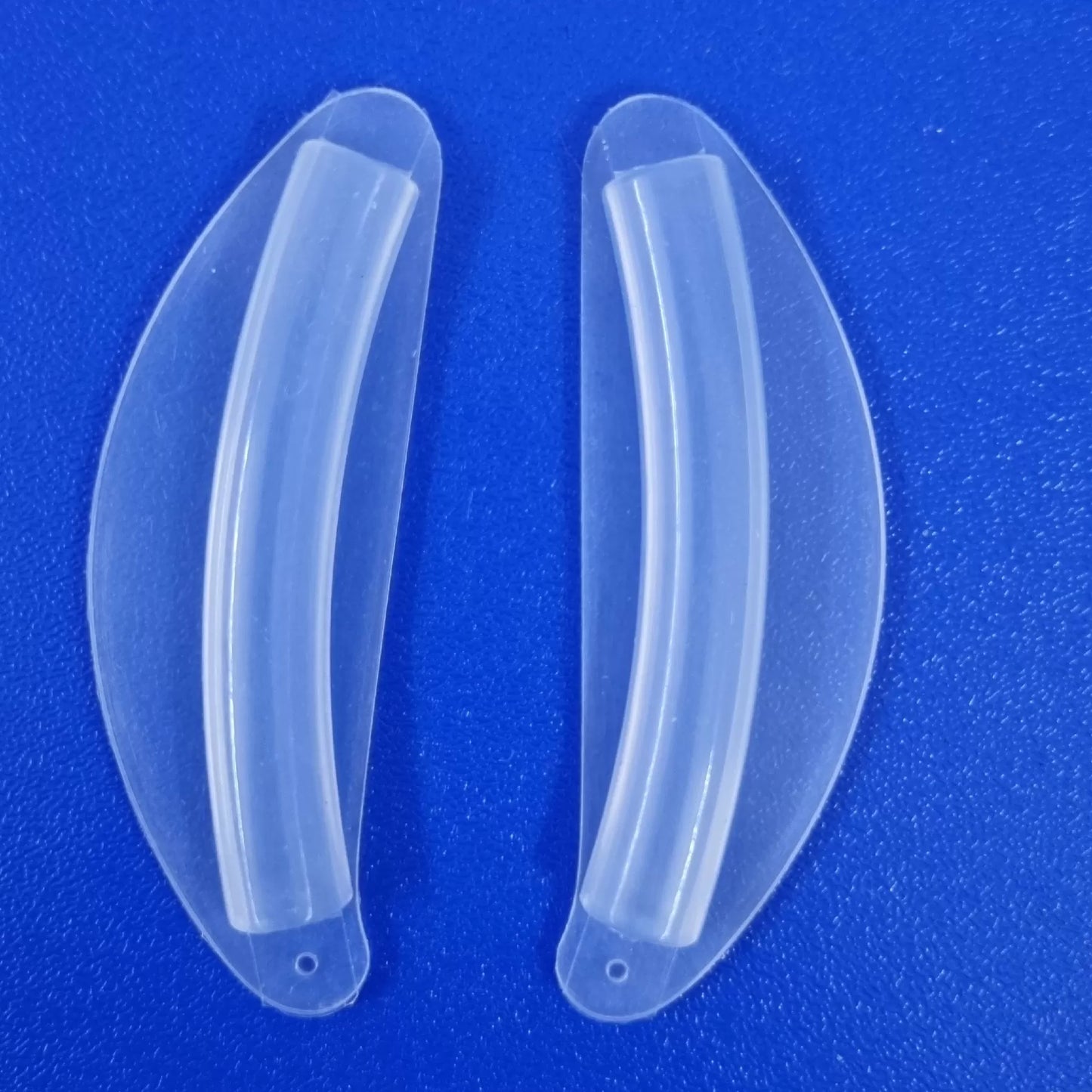
Nareseal Internal Silicone Nasal Splints – Post-Surgical Support for Rhinoplasty & Septoplasty – Medical-Grade, Transparent, (Pack of 1 pair)
Nareseal Internal Silicone Nasal Splints – Post-Surgical Support for Rhinoplasty & Septoplasty – Medical-Grade, Transparent, (Pack of 1 pair)
Couldn't load pickup availability
Clinical reference: Learn more about the Nareseal Internal Silicone Nasal Splints on the Nareseal Atlas — the free ENT clinical reference from Netcare Instruments.
Nareseal™ Internal Nasal Splints - With & Without Integral Airway
Superior Septal Support with Atraumatic Patient Recovery
100% MEDICAL-GRADE SILICONE: Crafted from ultra-smooth, biocompatible silicone that minimizes crusting and prevents mucosal adhesion, ensuring a virtually painless removal for the patient.
INTEGRAL AIRWAY OPTION: The "With Airway" variant provides an immediate breathing channel post-surgery, significantly reducing patient anxiety and the "stuffy nose" sensation while maintaining septal stability.
PRE-PUNCHED SUTURE HOLES: Anatomically positioned holes allow for easy and secure stabilization to the septum, preventing migration during the healing phase.
ATRAUMATIC ROUNDED EDGES: Every splint is finished with rounded contours to prevent irritation to the nasal vestibule and surrounding soft tissue.
EASY TRIMMABILITY: While designed to fit most adult nasal vaults, the material allows for precise chair-side trimming to accommodate unique patient anatomies without leaving sharp edges.
The Professional Choice for Septoplasty & Rhinoplasty
Post-operative care is just as critical as the surgery itself. The Nareseal™ Internal Nasal Splint is designed to provide the rigid support needed to prevent septal hematomas and reduce the risk of adhesions (synechiae) between the septum and the lateral nasal wall.
By choosing the Integral Airway model, you provide your patients with a higher standard of care—allowing for nasal breathing immediately after awakening from anesthesia. This is the difference between a high-stress recovery and a comfortable healing process.
| Attribute | Specification Details |
| Material | 100% Biocompatible Medical-Grade Silicone |
| Variations | With Integral Airway / Without Airway (Standard) |
| Sterility | Sterile / Single-Use |
| Dimensions | Standard Adult Size |
| Indications | Septoplasty, Rhinoplasty, Septal Hematoma, Synechiae Prevention |
| Packaging | Individually Sealed Sterile Pouches (Pair) |
Frequently Asked Questions
What are internal silicone nasal splints used for?
Internal silicone nasal splints are used after septoplasty and rhinoplasty to support the septum, prevent adhesion (synechia) formation between the septum and turbinates, and maintain the surgical correction of the nasal airway during healing. They sit inside the nasal cavity bilaterally and are removed at the post-operative appointment.
How long are internal nasal splints left in place after septoplasty?
Typically 5–10 days, depending on the surgeon's protocol and the extent of septal work performed. They are removed in the outpatient clinic under local anaesthesia or after topical decongestant application.
Are Nareseal internal nasal splints reusable?
No. Internal nasal splints are single-patient use medical devices. They should not be re-sterilized or reused between patients.
How are internal nasal splints removed after surgery?
At the post-operative appointment, nasal decongestant drops are applied to shrink the mucosa. The splints are then grasped with Tilley or Weil-Blakesley forceps and gently removed from each nostril. The procedure takes seconds and is typically well-tolerated with minimal discomfort.
Share